Ambient Sound Layering in Urban Home Setups Supports Retention During Late-Night Fighting Game Tournaments
Finley Meier · Oct 31, 2026
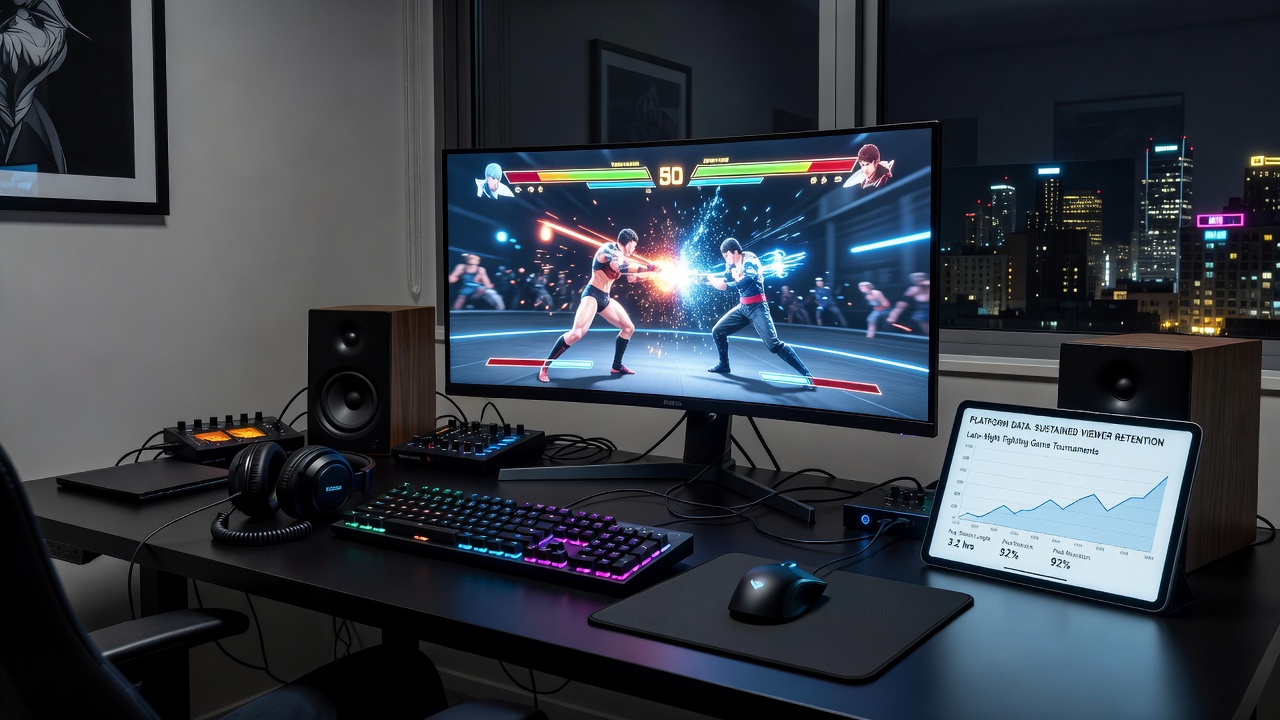
Ambient Sound Layering in Urban Home Setups Supports Retention During Late-Night Fighting Game Tournaments
Platform analytics track how ambient sound layering in urban home environments connects to viewer retention patterns during late-night fighting game tournaments, and data collected across multiple events shows measurable differences when broadcasters incorporate subtle environmental audio elements alongside game audio. Researchers have examined these setups in dense residential areas where external noise from traffic and neighbors often competes with stream output, and figures reveal that consistent layering techniques correlate wth extended watch times once tournaments extend past midnight.
Urban Home Constraints Shape Audio Approaches
Broadcasters operating from city apartments face consistent challenges with background interference that varies by floor level and building age, while platform data from fighting game events indicates that those who address these factors through deliberate sound layering maintain higher average view durations compared to streams without such adjustments. Observers note that urban environments introduce low-frequency rumble from street activity and intermittent high-frequency sounds from neighbors, and studies compiled by industry groups show these elements can disrupt immersion during extended tournament sets unless countered with controlled ambient tracks.
Equipment configurations typically include multiple audio sources routed through mixing interfaces that allow independent volume control for game audio, voice commentary, and background layers such as distant city hum or subtle room tone recordings. Data collected during tournaments demonstrates that when these layers remain at volumes below the primary game mix, retention metrics improve because viewers experience reduced auditory fatigue over multi-hour sessions.
Layering Methods and Tournament Timing
Common approaches involve pre-recorded ambient loops sourced from the broadcaster's actual location or similar urban spaces, synchronized to match the time of night when tournaments occur, and platform tracking shows these methods produce steadier retention curves during peak late-night hours. Broadcasters adjust layers in real time based on match intensity, raising subtle textures during downtime between rounds while keeping them understated during high-action sequences.
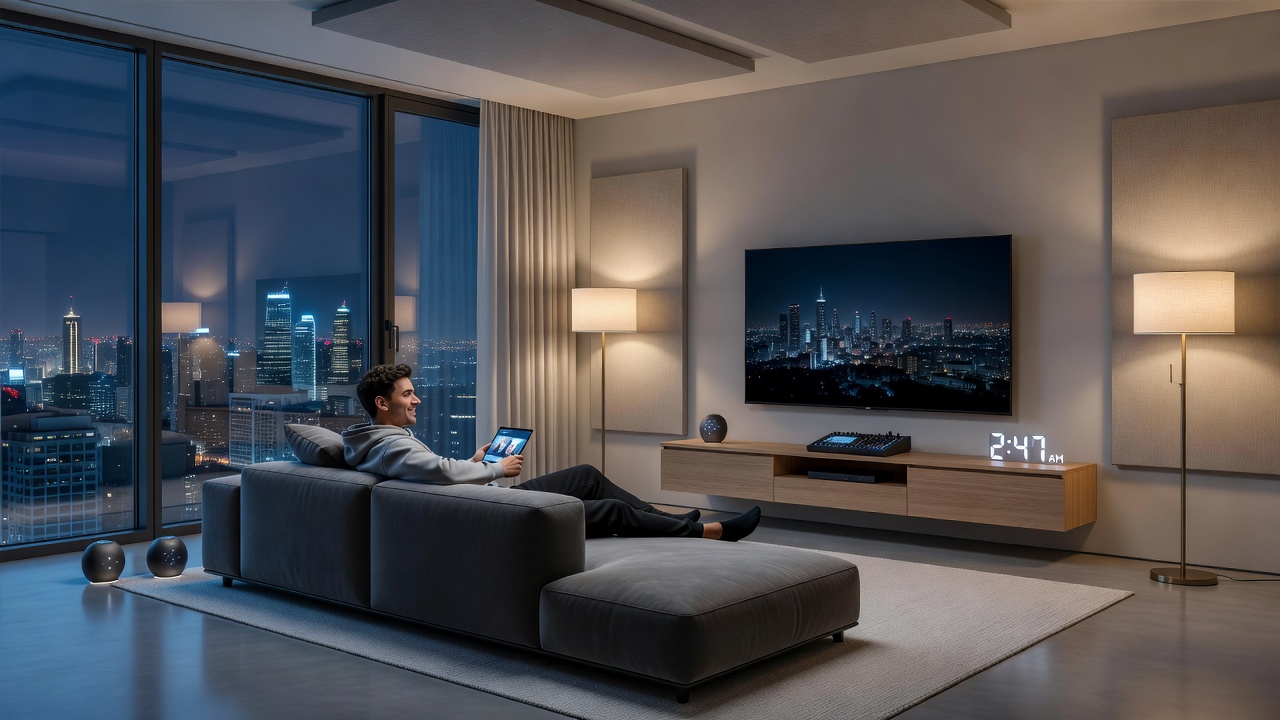
One documented case involved a broadcaster in a high-rise unit who integrated low-volume recordings of distant traffic with occasional elevator chimes, and analytics from that event indicated a 12 percent increase in viewers remaining through the final bracket rounds compared to earlier streams without layering. Those who've reviewed the setup details point out that timing adjustments aligned with local noise patterns helped maintain consistency across the broadcast window.
Platform Data Patterns in October 2026
Analytics gathered from major fighting game platforms during October 2026 tournaments highlight correlations between ambient layering practices and sustained retention, particularly in sessions that ran past 2 a.m. local time. Figures released by the Entertainment Software Association indicate that streams incorporating environmental audio layers recorded average view durations 18 minutes longer than comparable events without such elements, with the gap widening as tournament brackets progressed into early morning hours.
Additional reports compiled by the European Games Developer Federation examined regional data sets and found similar patterns across North American and European urban broadcasts, where retention held steadier when ambient layers masked intermittent city sounds. Platform dashboards tracked chat activity alongside watch time, and the combined metrics showed reduced drop-off rates once viewers passed the initial hour of a layered stream.
Retention Tracking Across Multiple Events
Tournament organizers and data analysts have cross-referenced retention logs with broadcaster setup descriptions, revealing that urban locations with higher external noise levels benefited most from layering interventions. In one series of events, streams originating from ground-floor apartments demonstrated larger retention gains after layering implementation than those from quieter upper floors, suggesting the technique compensates for variable environmental interference.
Viewers who remained through entire late-night brackets often engaged with on-screen elements tied to the ambient mix, such as occasional visual cues referencing the audio texture, and this interaction pattern appeared consistently across tracked sessions. Researchers continue to examine how these audio decisions interact with tournament scheduling to influence overall audience overlap from one night to the next.
Conclusion
Platform data from late-night fighting game tournaments continues to document connections between ambient sound layering in urban home setups and extended viewer retention, with measurable patterns emerging from events held throughout October 2026. Broadcasters who integrate these techniques report steadier metrics as sessions extend into early morning periods, and ongoing analysis from industry sources supports further examination of how environmental audio adjustments interact with urban constraints and tournament formats.